
Cognitive Habits in Primary School for Elite Senior Results
Elite senior results in the HSC and IB are directly rooted in cognitive habits established during primary school. By prioritizing scientific inquiry and logical reasoning in Years 1–6, students build the necessary cognitive architecture to handle advanced senior curricula, moving beyond reactive tutoring toward a proactive foundation of academic maturity.
Why are primary school years critical for future HSC and IB success?
The journey toward a 99+ ATAR or a perfect IB score does not begin in Year 11. It begins the moment a child learns to ask "why" and "how" in a structured environment. During the primary years (Years 1–6), a child's brain is at its most plastic, making it the optimal period to install the mental software required for high-performance senior studies. This period is less about the content of a specific textbook and more about the development of cognitive architecture —the internal framework of how a student processes, synthesizes, and applies information.
When we look at elite performers in HSC Chemistry or Physics, the differentiator is rarely their ability to memorize formulas. Instead, it is their ability to engage in abstract reasoning and their persistence in problem-solving. These traits are cultivated early. In Primary School Tutoring , the focus should shift from merely finishing homework to developing a mastery mindset. If a student learns that frustration is a signal to think differently rather than a signal to stop, they are already miles ahead of their peers by the time they reach high school.
At Tutorio Tutoring, we emphasise that primary education should provide a safe "laboratory" for intellectual risk-taking. By introducing complex concepts in an accessible way, we help students build the confidence to tackle the rigorous demands of Selective School entries and later, the competitive landscapes of the HSC and IB.
Moving from a "Catch-Up" Mentality to Proactive Cognitive Architecture
Many parents wait until their child is struggling in Year 9 or 10 before seeking specialist support. This is the "catch-up" mentality—a reactive approach that treats tutoring as a remedial band-aid. While effective for passing the next exam, it rarely builds the deep-seated academic maturity required for the highest echelons of success.
Proactive cognitive architecture involves building three core pillars during the primary years:
- Metacognition: Teaching students to think about their own thinking processes.
- Information Synthesis: Moving beyond reading for facts to reading for relationships and implications.
- Resilience in Complexity: Training the brain to remain calm and analytical when faced with unfamiliar or difficult problems.
By focusing on these pillars through Mathematics and English at a primary level, we prepare students for the "Third Space" of learning. This is the bridge between the classroom and independent mastery. When a student enters Year 7 with these habits, they don't just survive the transition; they dominate it. They have the maturity to organize their time, the logic to decode complex instructions, and the scientific curiosity to explore beyond the syllabus.
How do Years 1-6 develop the foundations of scientific inquiry?
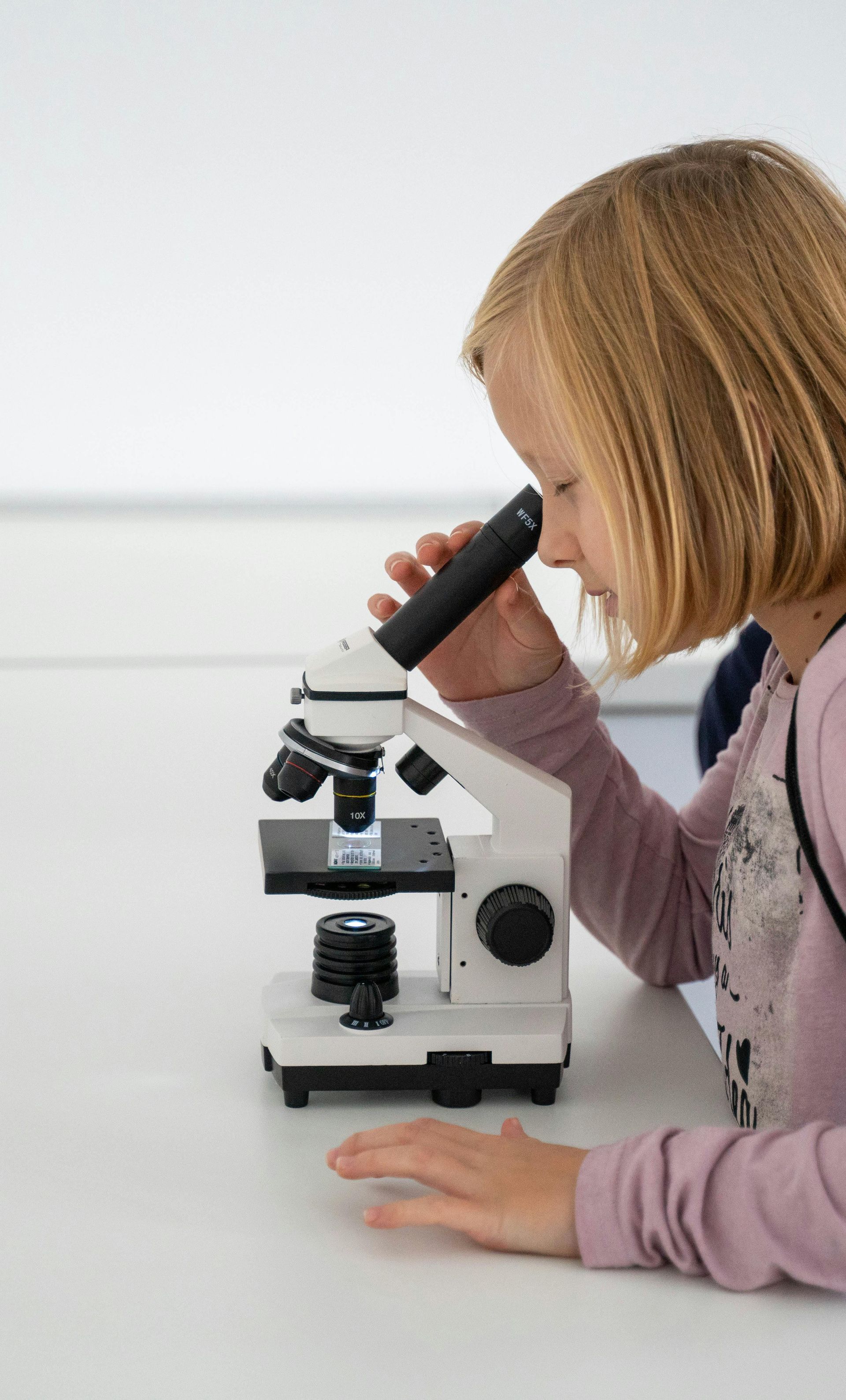
Scientific inquiry is not just for future doctors or engineers; it is a fundamental life skill that involves observation, hypothesis, and evidence-based conclusion. In the primary years, we nurture this by encouraging students to look at the world through a lens of causality.
- Observational Skills: Training students to notice patterns in numbers and language.
- Hypothesis Testing: Encouraging children to predict outcomes in logic puzzles or story arcs.
- Evidence Evaluation: Teaching them to ask, "How do we know this is true?"
- Communication: Developing the ability to articulate complex thoughts clearly and concisely.
- Iterative Thinking: Understanding that the first answer isn't always the complete answer.
These five steps are the exact same steps required to excel in senior Biology or Physics . When a Year 4 student learns to structure a logical argument in English or solve a multi-step word problem in Mathematics, they are actually building the neural pathways that will later allow them to solve advanced calculus or write a 20-page IB Extended Essay.
Building Logical Reasoning and Academic Maturity Early
Academic maturity is the ability to take ownership of one's learning journey. This is perhaps the most undervalued asset in a student’s toolkit. A student with high academic maturity understands that their effort is the primary driver of their success. This mindset is best cultivated in a environment that balances high expectations with expert mentorship.
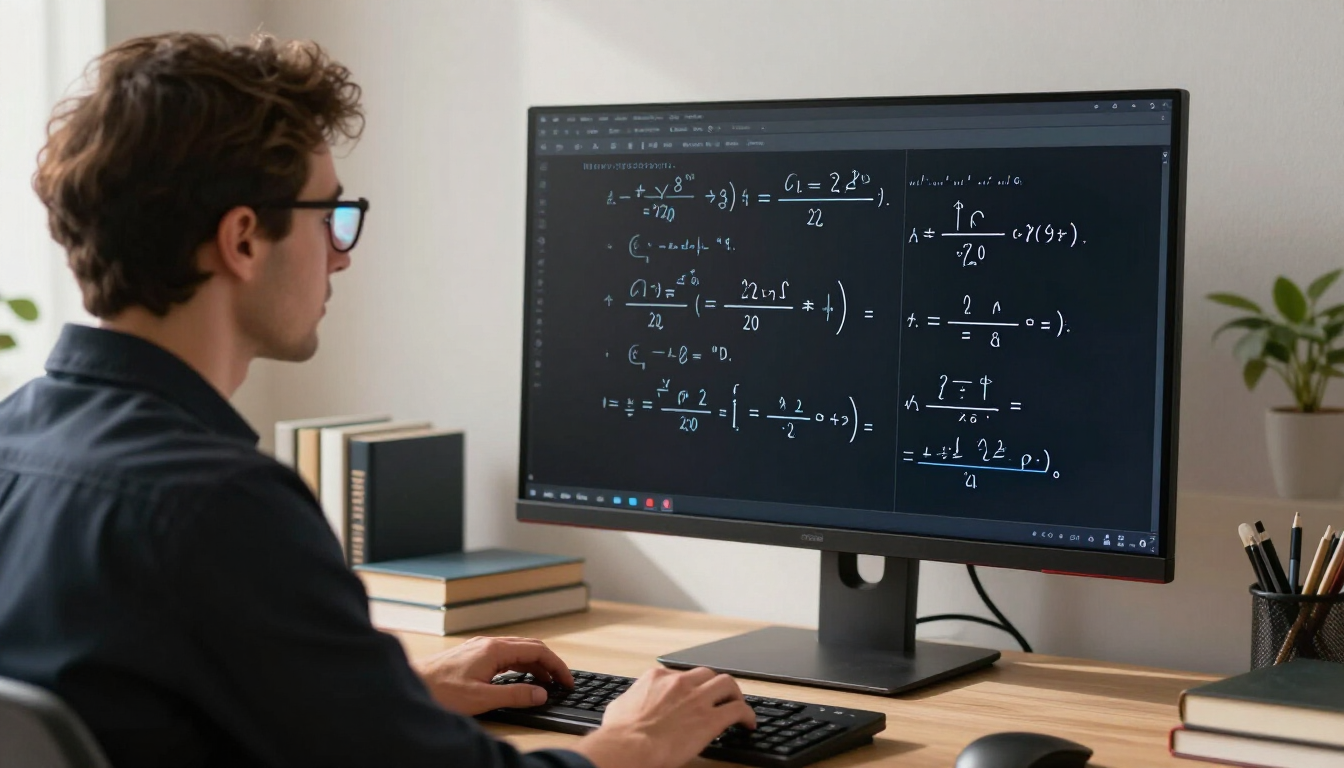
At Tutorio, led by Dr. Andrew Wotherspoon , we bridge the gap between primary curiosity and senior rigor. We treat our primary students like junior researchers. Whether it is through face-to-face sessions in our Camperdown studio or our specialized online platform, we provide the tools—like the Kamvas 12 graphics tablet—to make logical reasoning a visual, tactile, and highly engaging process. This "Third Space" approach ensures that students are not just passive recipients of information but active architects of their own knowledge.
What role does Selective School preparation play in long-term results?
Selective School preparation is often viewed as a high-stakes sprint for a specific outcome. However, its true value lies in the rigorous training it provides. The preparation for the Selective School exam or the Opportunity Class (OC) placement requires a level of focus and logical agility that serves as a "pre-season training" for the HSC.
Students who undergo this preparation learn to:
- Manage exam pressure at a young age.
- Analyze complex texts under time constraints.
- Apply mathematical logic to non-routine problems.
- Develop a competitive but healthy academic drive.
Even if a student does not attend a Selective School, the process of preparing for one elevates their baseline ability. They enter high school with a level of literacy and numeracy that allows them to engage with the curriculum at a much deeper level than their peers. This is why we see a high correlation between early academic intervention and late-stage academic honors.
Strategic Takeaways for Ambitious Parents
To ensure your child is positioned for elite senior results, focus on the following strategic shifts during their primary school years:
- Prioritize Process Over Grades: Ask your child how they arrived at an answer rather than just checking if it is correct.
- Encourage Scientific Skepticism: Foster a home environment where questions are celebrated and evidence is valued.
- Invest in Specialized Mentorship: Choose tutors who understand the long-term trajectory from Year 1 to Year 12, ensuring consistency in the cognitive habits being built.
- Develop the "Third Space": Create a dedicated learning environment that is distinct from both school and leisure, allowing for deep, focused work.
- Focus on Literacy and Logic: These are the twin engines of all future academic success, regardless of whether your child pursues STEM or the Humanities.
By moving beyond the catch-up mentality and focusing on proactive cognitive architecture, you give your child the ultimate competitive advantage: the ability to learn, think, and succeed independently. The results they achieve in Year 12 are simply the final chapter of a story that began in Year 1. For parents aiming for the highest performance, the time to build that foundation is now.