Support Neurodivergent Chemistry Learners in 2026
Neurodivergent students often struggle with chemistry because traditional teaching methods frequently overlook unique cognitive profiles, such as executive dysfunction and sensory processing differences. Effective support involves an ASD chemistry tutor who utilizes diagnostic reasoning and structured scaffolding to transform abstract chemical concepts into manageable, logical, and visual learning milestones.
Why do neurodivergent students struggle with Chemistry?
Chemistry is often referred to as the 'central science,' but for students with ADHD or Autism Spectrum Disorder (ASD), it can feel like a central source of academic frustration. The discipline requires a high degree of abstract thinking, simultaneous processing of multiple variables, and significant executive functioning skills. In a standard classroom, the rapid-fire transition from qualitative theory to quantitative stoichiometry can leave neurodivergent learners feeling cognitively overloaded. Traditional pedagogy often relies heavily on auditory instructions and fast-paced demonstrations, which may clash with the slower processing speeds or the specific sensory needs of neurodivergent individuals.
Furthermore, the 'language' of chemistry—full of symbols, sub-scripts, and specific nomenclature—can be overwhelming. For a student with ASD, the lack of literal clarity in certain analogies used by teachers can lead to profound misunderstandings. Executive dysfunction, a common trait in ADHD, makes the multi-step nature of chemical equations particularly daunting. Students might understand the individual concepts but struggle to sequence them correctly to solve a complex problem. This gap between 'knowing' and 'doing' often results in decreased confidence and a sense of alienation from the subject. By recognizing that these struggles are not a reflection of intelligence but rather a mismatch in instructional delivery, families can begin to seek neurodivergent learner support that addresses the root causes of these academic barriers. This understanding is the first step in moving toward a more inclusive and effective educational experience for every secondary student.
How can an ASD chemistry tutor help?
An ASD chemistry tutor offers more than just content knowledge; they provide a specialized framework for learning that respects and adapts to the student's unique neurobiology. Unlike a general tutor, a specialist understands that engagement is often tied to interest-based nervous systems and clear, logical progressions. For many neurodivergent students, the relationship with their tutor becomes a 'Third Space'—a safe environment between home and school where they can express confusion without judgment. This is particularly effective in Chemistry & Junior Science programs where the complexity of the material demands a high degree of trust and psychological safety.
Specialized tutoring focuses on minimizing cognitive load. This is achieved by breaking down complex topics—like thermodynamics or organic synthesis—into smaller, digestible units. The tutor acts as a cognitive bridge, translating classroom jargon into a language that aligns with the student’s specific cognitive strengths, such as visual-spatial reasoning or systemic thinking. By using tools like high-quality graphics tablets and collaborative online platforms, an expert can provide real-time visual feedback that is often missing in a crowded classroom. This approach ensures that the student is not just memorizing facts for a test, but building a robust mental model of how the universe works at a molecular level. Through consistent, empathetic guidance, students learn to navigate the intricacies of the HSC, VCE, or IB curriculum with newfound resilience. This personalized support is essential for helping students overcome the specific executive functioning hurdles that often hinder their performance in high-stakes science assessments, ultimately fostering a genuine passion for the wonders of chemistry.
Identifying barriers through diagnostic reasoning
At the heart of effective neurodivergent learner support is diagnostic reasoning. This process goes beyond identifying what a student got wrong and instead investigates why they got it wrong. Was the error due to a misinterpretation of the question’s phrasing, a lapse in the multi-step calculation process, or a fundamental misunderstanding of the underlying atomic theory? By treating every mistake as a data point, a specialist tutor can map out the student’s specific cognitive landscape. This diagnostic approach is vital because neurodivergent students often have 'spiky' profiles—excelling brilliantly in one area while facing significant challenges in another that might seem unrelated to a layperson.
Diagnostic reasoning allows for the creation of a bespoke educational roadmap. For instance, if a student struggles with the abstract nature of electron orbitals, the tutor might employ highly detailed 3D simulations or physical models to ground the concept in reality. If the barrier is executive dysfunction, the focus shifts to creating checklists and organizational rubrics that guide the student through the problem-solving process. This level of precision ensures that tutoring time is spent efficiently, targeting the exact points of friction that prevent academic progress. It also empowers the student by helping them understand their own brain, turning what previously felt like an insurmountable wall into a series of manageable steps. This methodology is a cornerstone of the professional service offered by PhD-led educators who combine deep subject expertise with a sophisticated understanding of educational psychology and the diverse ways in which students process information.
How does scaffolding improve chemistry outcomes?
Scaffolding is an instructional technique that provides temporary support to students as they develop new skills. In the context of chemistry for neurodivergent learners, scaffolding is the difference between drowning in data and swimming with confidence. It involves providing templates, guided prompts, and visual aids that are gradually removed as the student gains competence. For an ADHD student, scaffolding might include a 'task-analysis' sheet that breaks a 10-mark long-answer question into five distinct, achievable sub-tasks. This prevents the 'blank page' syndrome and reduces the anxiety associated with large, complex assignments.
Effective scaffolding strategies often include:
- Visual flowcharts for balancing chemical equations and predicting reaction products.
- Graphic organizers that compare and contrast different types of chemical bonding.
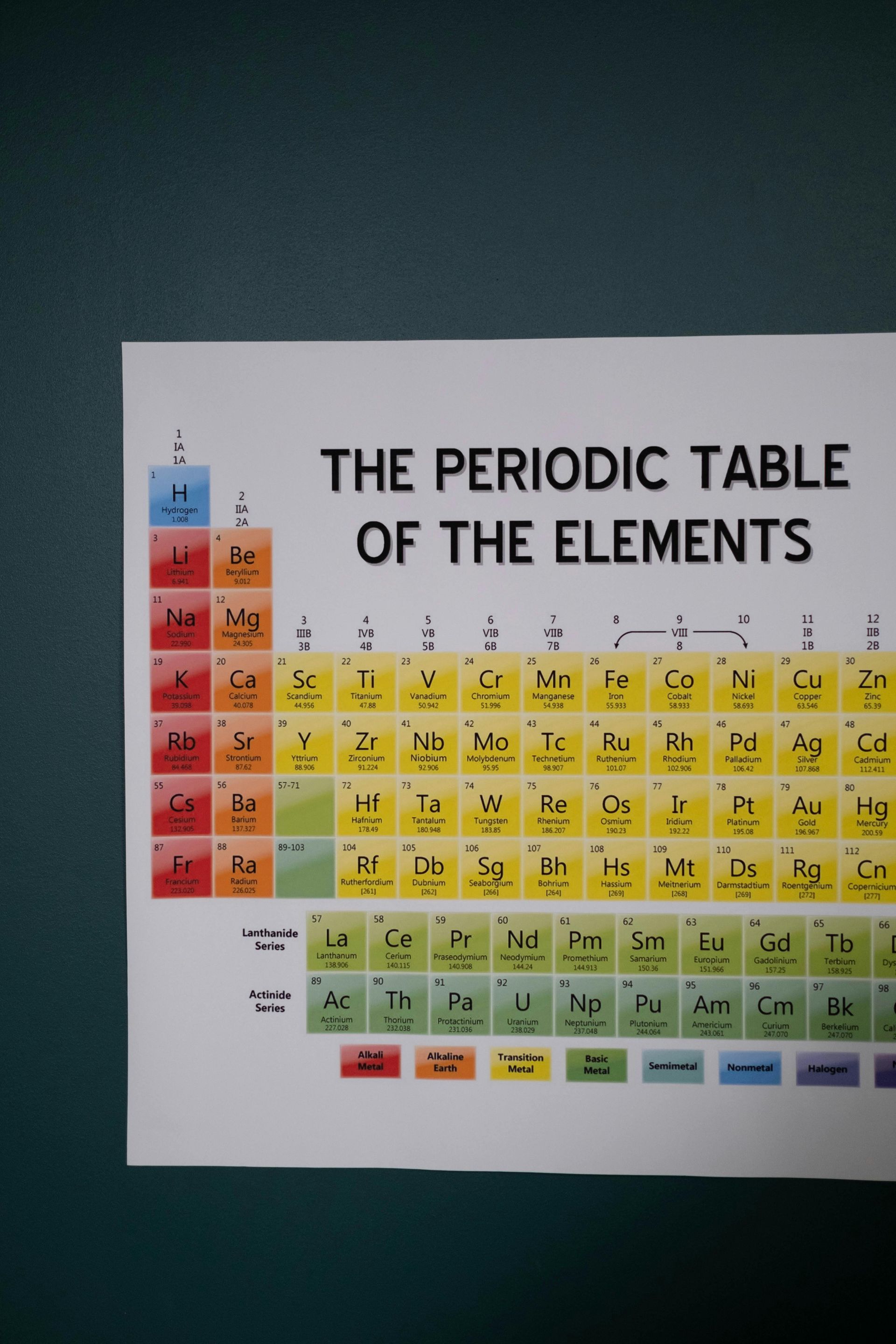
- Color-coded periodic tables to highlight trends like electronegativity and atomic radii.
- Pre-written 'sentence starters' for scientific reporting and evaluation sections.
- Step-by-step checklists for laboratory safety and experimental design procedures.
By utilizing these tools, a specialist ensures that the student’s working memory is not overwhelmed. Instead of struggling to remember the next step, the student can focus their mental energy on understanding the 'why' behind the chemistry. This build-up of small wins creates a positive feedback loop, which is crucial for neurodivergent learners who may have experienced years of academic frustration. As the student’s self-efficacy grows, the scaffolds are slowly faded, leaving behind a student who is not only capable of doing chemistry but also confident in their ability to tackle new, unfamiliar challenges independently. This systematic approach is central to modern, neurodiversity-informed tutoring, providing a clear path to academic success and reducing the emotional burden of learning difficult science concepts.
Success beyond the classroom
The ultimate goal of specialized tutoring is to provide students with the skills they need to succeed long after their secondary education is complete. For neurodivergent learners, mastering a subject as challenging as chemistry provides a significant boost to their self-esteem and proves that with the right support, their cognitive differences can be a source of strength. Whether they are aiming for university entry or pursuing a vocational path, the logical reasoning and problem-solving skills honed during chemistry sessions are universally applicable. Families can explore various Pricing & Packages to find a level of support that fits their needs and ensures their child has the best possible chance to flourish in their senior years.
Integrating the 'Third Space' approach—whether through face-to-face sessions in a supportive environment like a Camperdown café or via advanced online tools—allows for a flexible learning experience that caters to the student's daily energy levels and sensory needs. This flexibility is a key component of effective neurodivergent learner support , as it acknowledges that learning does not happen in a vacuum. By partnering with a tutor who understands the intersection of neurodiversity and science education, families can move away from the stress of 'keeping up' and toward a future of genuine achievement and academic fulfillment.
Core Takeaways for Families
- Targeted Support: A specialized ASD chemistry tutor identifies specific cognitive barriers using diagnostic reasoning rather than generic teaching methods.
- Scaffolding Success: Utilizing visual aids and task-breakdowns reduces cognitive load and builds confidence in complex problem-solving.
- The Third Space: Creating a low-stress, flexible environment (online or in-person) is essential for the engagement of neurodivergent students.
- Holistic Growth: Success in chemistry builds transferable skills in logic and organization that benefit all areas of a student’s life.
- Empowered Learning: Understanding how their brain works helps students advocate for their own needs in the classroom and beyond.