Usage of Digital Tools for Online STEM Tutoring (2026 Guide)

Dr Andrew Wotherspoon, Founder of Tutorio Tutoring • March 29, 2026

Share this article

Online STEM tutoring is the delivery of science, technology, engineering, and mathematics instruction via digital platforms. Effective sessions transcend simple video calls by integrating high-fidelity hardware, real-time collaborative annotation, and active learning frameworks to replicate the rigor of a physical laboratory, ensuring elite academic outcomes for students.

What defines high-fidelity online STEM tutoring?

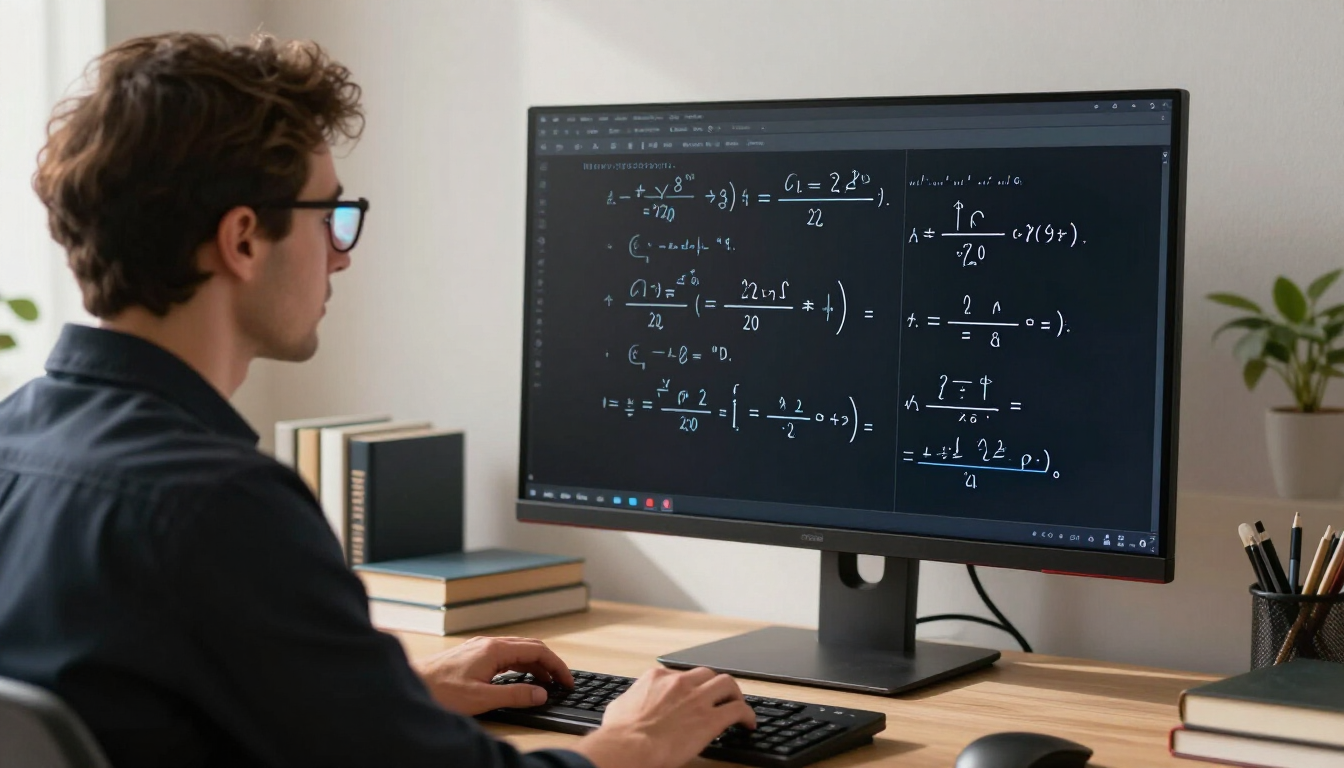
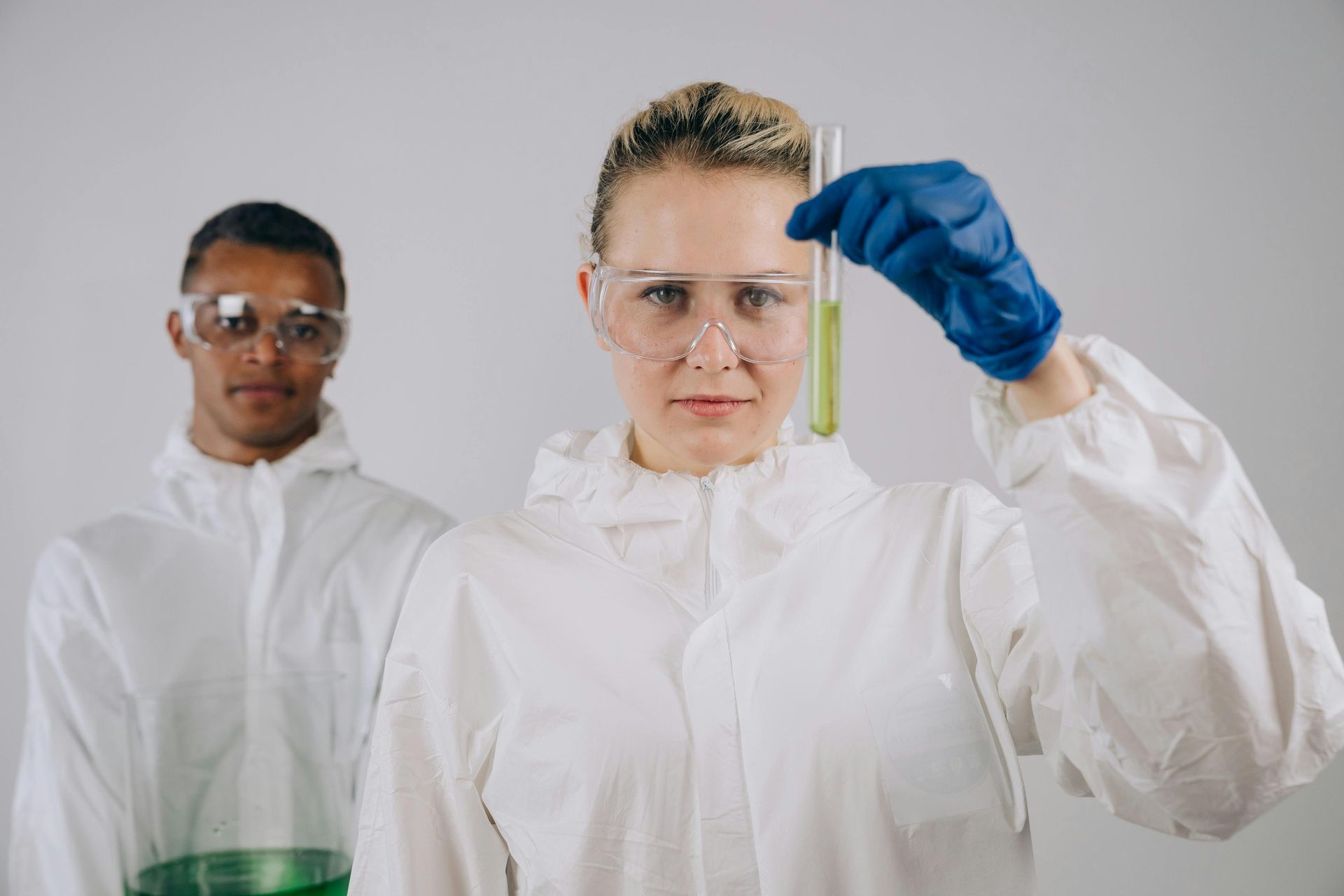
High-fidelity online STEM tutoring is characterized by the seamless integration of professional-grade hardware and software that facilitates complex symbolic manipulation and real-time feedback. For high-achieving students in the HSC, VCE, and IB Diploma programs, the standard 'screen share' function of common video conferencing apps is insufficient. Elite tutoring requires a 'digital lab' environment where the physical and digital worlds converge. This convergence allows for the intricate sketching of organic molecules in Chemistry & Junior Science , the derivation of complex equations in Physics , and the detailed annotation of biological diagrams in Biology .

The scholar-practitioner approach adopted by Dr. Andrew Wotherspoon at Tutorio emphasizes that the medium of instruction must not become a barrier to the cognitive processing of the subject matter. When the technology is high-fidelity, it becomes invisible, allowing the student to focus entirely on the conceptual challenges of STEM. This involves moving beyond the 'passive consumer' model of education toward a 'producers of knowledge' model, where students interact with content as if they were in a professional research or engineering environment.

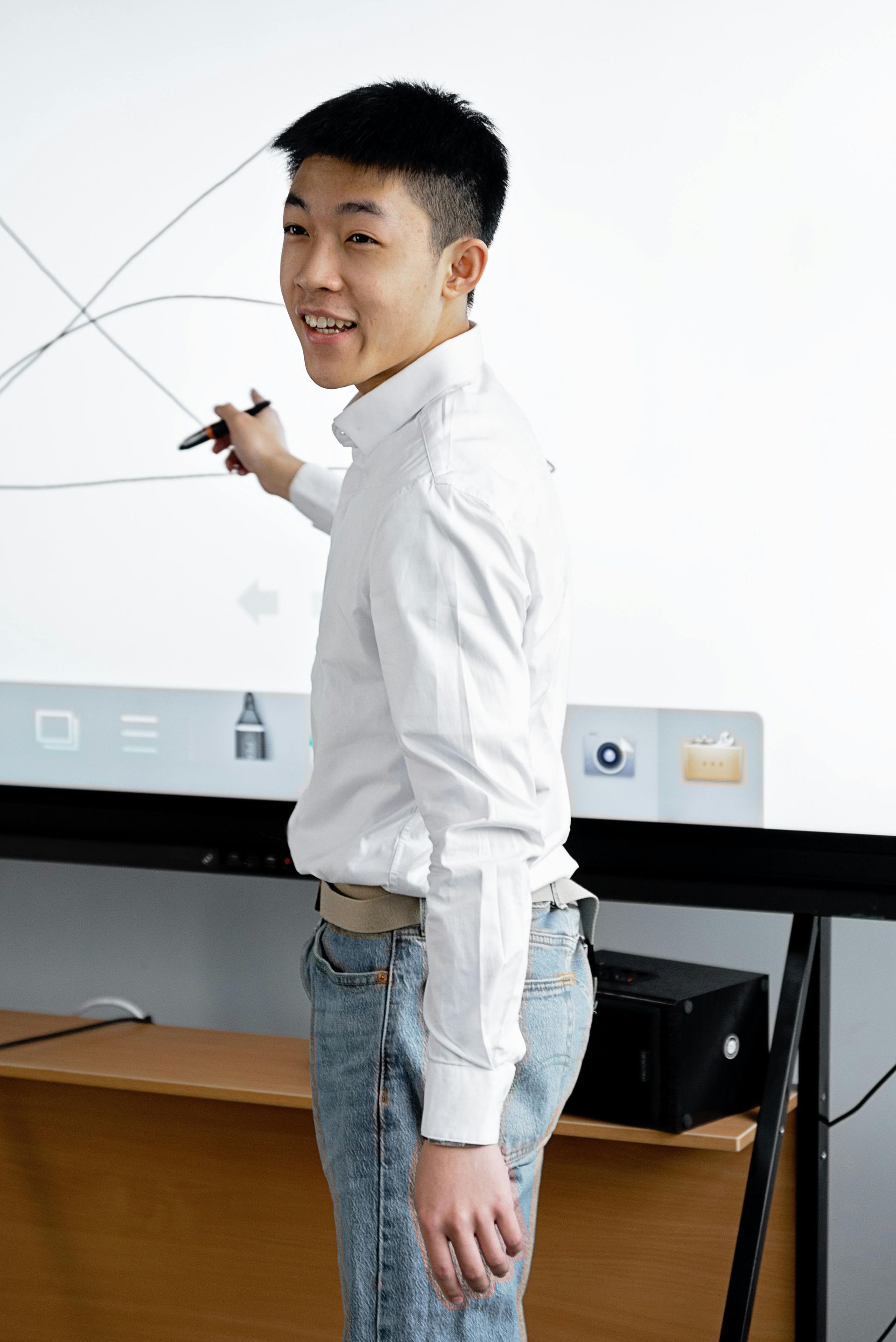
Professional setup image

Beyond Video Conferencing: The Hardware Foundation

To achieve elite educational outcomes, the hardware must facilitate the same level of nuance found in a face-to-face setting. At Tutorio, we utilize specialized peripherals that ensure the online experience is not just a substitute, but an enhancement of traditional learning. The transition from a mouse-driven interface to pen-based input is critical for STEM subjects where handwriting and drawing are essential for cognitive synthesis.

The hardware suite used in our Sydney-based and national online sessions includes:

  • Kamvas 12 Graphics Tablets : Providing 8192 levels of pressure sensitivity for precise mathematical notation.
  • Viisan VK-16 Document Cameras : Enabling the real-time sharing of physical textbooks, handwritten notes, or experimental setups.
  • High-Resolution External Monitors : Allowing students to maintain a clear view of the tutor, the shared whiteboard, and reference materials simultaneously.
  • Professional Audio Interfaces : Ensuring every nuance of a detailed explanation is captured with crystal clarity.

By leveraging the Kamvas 12, students and tutors can collaborate on a digital canvas with zero parallax, mimicking the feel of pen-on-paper. This is particularly vital for Mathematics and English where the logical flow of a multi-step proof must be visible and editable in real-time. The Viisan VK-16 further bridges the gap, allowing a tutor to peer over a student's shoulder (metaphorically) as they work through a physical worksheet, correcting misconceptions as they happen.

How does real-time annotation transform student engagement?

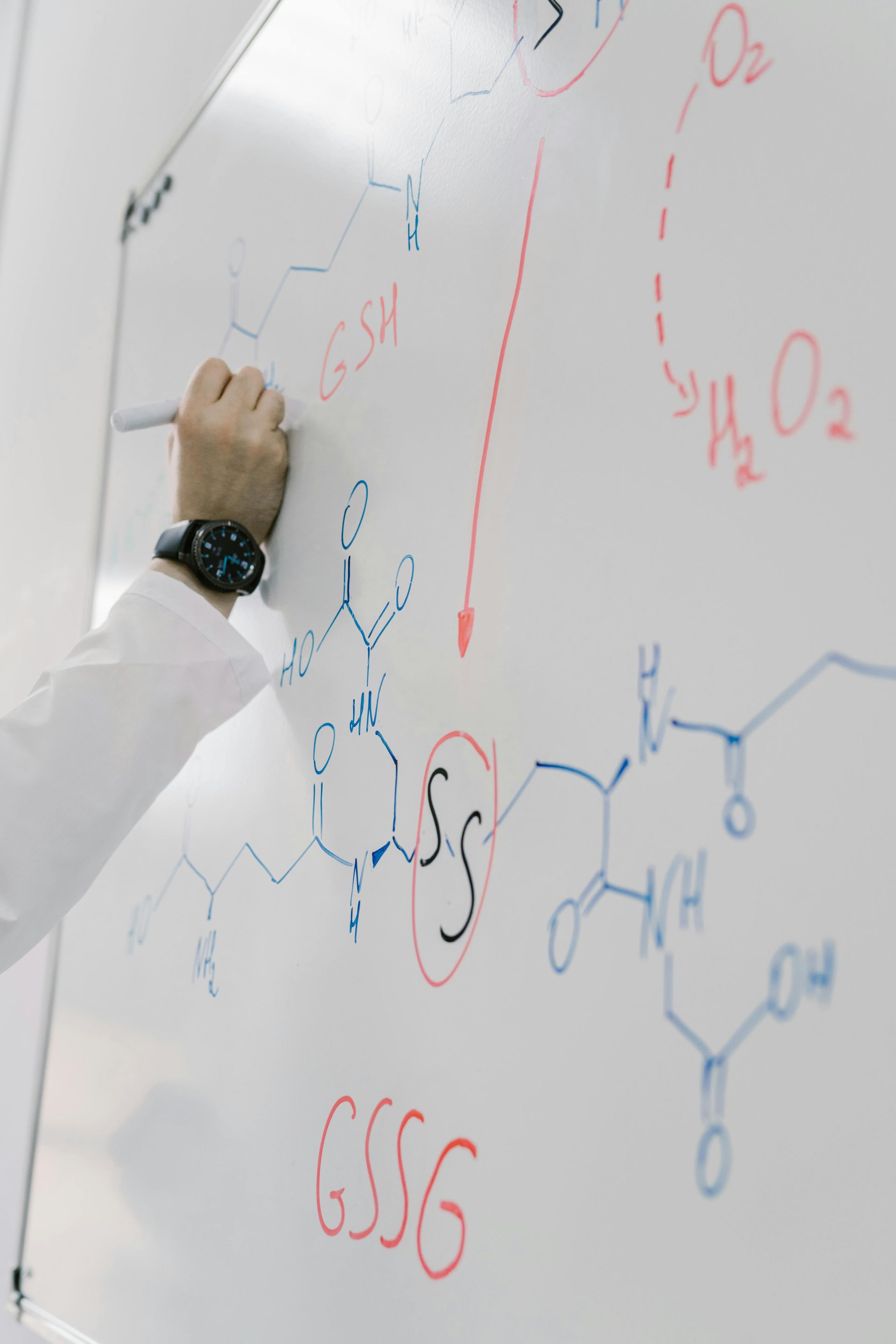
Real-time annotation transforms engagement by moving from the 'I tell, you listen' paradigm to a 'we create together' paradigm. Utilizing platforms like Lessonspace, our online STEM tutoring sessions feature a persistent, multi-page digital whiteboard designed specifically for education. Unlike generic whiteboards, this environment supports LaTeX mathematical notation, advanced graphing tools, and specialized chemistry drawing features. This allows students to actively participate in the construction of their own knowledge.

In a typical session for an IB or HSC student, the tutor and student are often working on the same digital canvas. This 'shared agency' is a hallmark of the Tutorio approach. When a student can physically see a tutor annotate a specific part of a physics vector diagram or a chemical bond, and then immediately take the 'pen' themselves to complete the next step, the learning becomes dynamic rather than static. This immediate feedback loop is essential for mastering the high-order thinking skills required for top-tier academic performance.

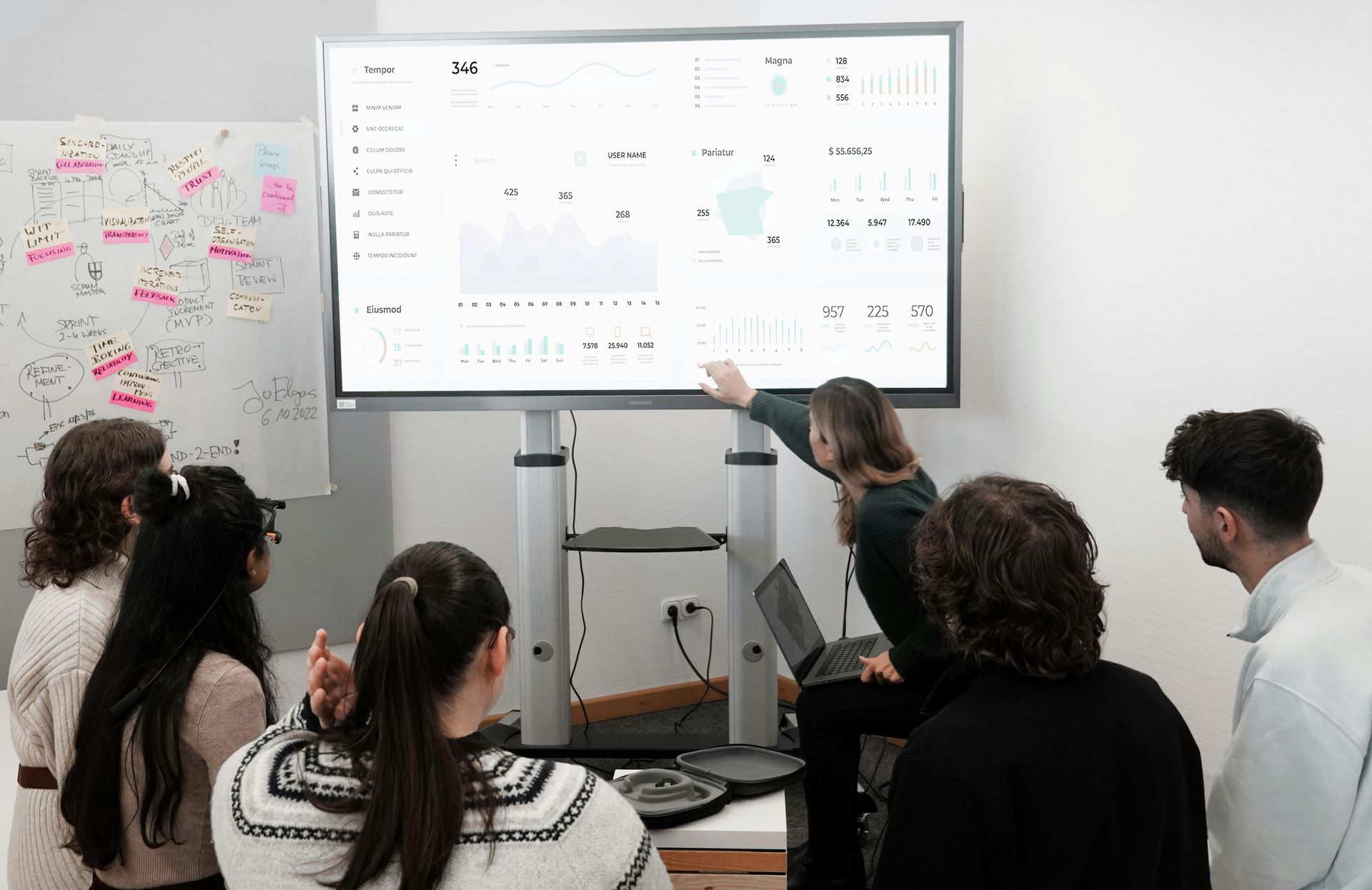
Lessonspace interface image

Key features of an elite digital collaboration space include:

  • Persistent Canvases : Students can return to previous session notes at any time for revision.
  • Integrated Graphing : Tools like Desmos are embedded directly into the workspace for immediate data visualization.
  • Resource Uploads : PDFs, past exam papers, and scientific diagrams can be imported and annotated instantly.
  • Recordable Sessions : The ability to review the 'thinking process' of a tutor long after the session has ended.

This level of interaction is crucial for addressing the 'Third Space' philosophy — where the home environment and the academic environment blend to create a new, high-performance learning context. For families looking to optimize their child's study time, our Pricing & Packages reflect the value of this integrated, tech-forward methodology.

Cognitive Science: Transitioning from Passive to Active Learning

The most sophisticated tools are only as effective as the pedagogy driving them. At the core of our digital strategy is the application of cognitive science, specifically Cognitive Load Theory and the principles of Active Learning. Passive consumption — such as watching a pre-recorded video or listening to a lecture over Zoom — often leads to 'fluency illusions,' where a student believes they understand a concept because it sounds clear, only to fail when asked to apply it independently.

To combat this, we structure our online STEM tutoring to maximize 'germane load' — the mental effort dedicated to processing and building schemas. By utilizing digital tools that require student input, we ensure the student is the one doing the heavy cognitive lifting. When a student uses a graphics tablet to balance a complex redox reaction, they are engaging multiple sensory channels, which reinforces the neural pathways associated with that concept. This is the difference between watching a lab and participating in one.

Why is the 'Digital Lab' essential for HSC and IB success?

The 'Digital Lab' is essential because it mirrors the technological literacy required in higher education and professional scientific fields. Students who master these tools early are better prepared for the rigors of university-level research. Moreover, the precision offered by high-fidelity hardware ensures that errors in complex STEM tasks are conceptual rather than technical. If a student's 'handwriting' on a trackpad is messy, they are more likely to make errors in their calculations; if they use a digital tablet, their work is clear, structured, and reproducible.

For high-achieving families in New South Wales and Victoria, the expectation is not just for a 'pass,' but for excellence and a competitive edge. Our approach provides this by:

  1. Ensuring zero downtime or technical friction during sessions.
  2. Providing high-resolution visual aids for complex spatial concepts.
  3. Facilitating 'Check for Understanding' (CFU) cycles every few minutes through digital tasks.
  4. Creating a repository of digital assets that the student 'owns' and can use for final exam preparation.

This methodology applies equally to our younger learners in Primary School Tutoring , where building a positive and interactive relationship with digital tools sets the foundation for future STEM success. Whether it is OC and Selective School preparation or the final year of the IB Diploma, the technology must serve the student, not the other way around.

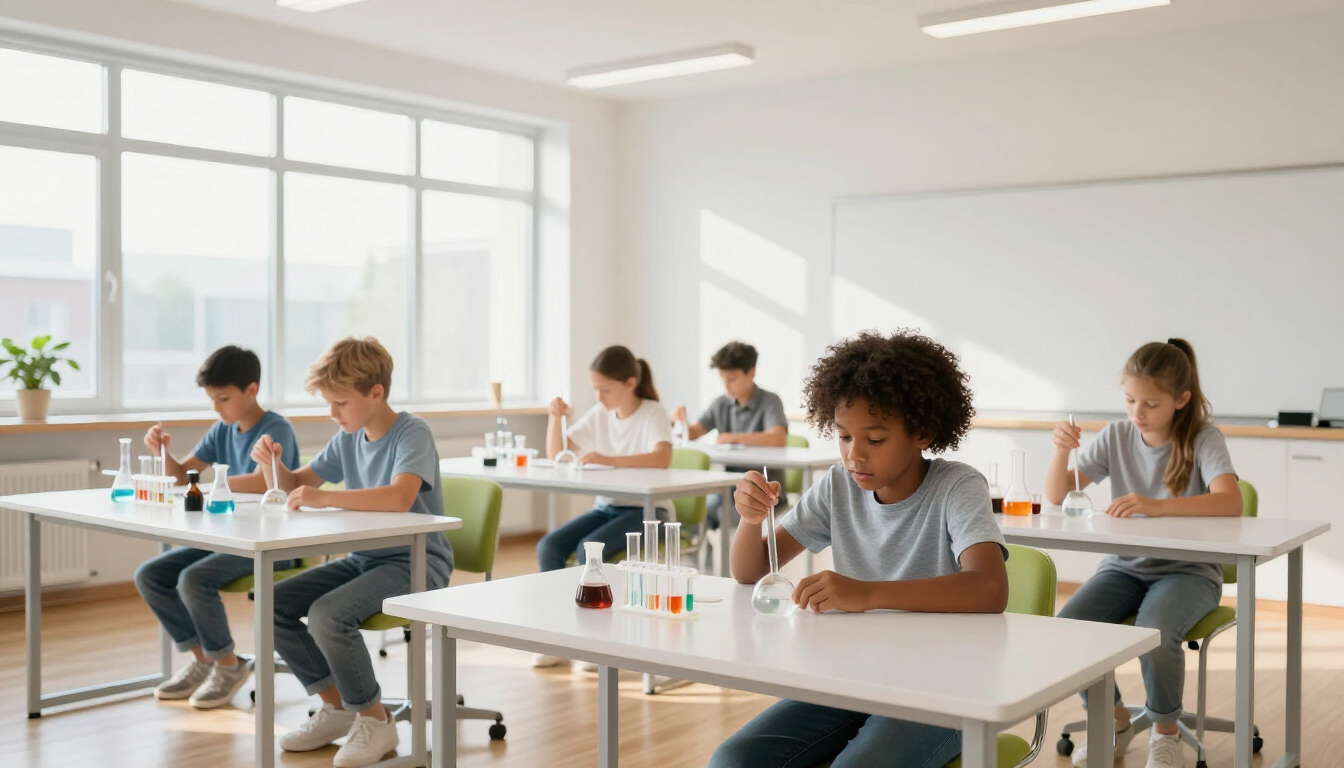
Active learning image

Strategic Conclusion and Takeaways

The evolution of online STEM tutoring from a convenience to a high-performance standard is driven by the strategic integration of hardware and cognitive science. By moving beyond basic video calls and embracing tools like the Kamvas 12, Viisan VK-16, and Lessonspace, Tutorio provides a scholar-practitioner experience that rivals and often exceeds the efficacy of traditional face-to-face tutoring. This 'Digital Lab' approach ensures that students are not merely passive observers but active participants in their academic journey, equipped with the tools and the mental frameworks necessary to excel in the most challenging science and mathematics curricula across Australia.

Key Takeaways for High-Achieving Families:

  • Hardware is Non-Negotiable: Standard laptops are for consumption; graphics tablets and document cameras are for creation and deep learning.
  • Interactivity Drives Results: Demand a 'Shared Agency' environment where the student is constantly annotating and solving problems in real-time.
  • Pedagogy Over Platform: Technology must be underpinned by cognitive science principles like Active Learning to be effective.
  • Preparation for the Future: Mastering digital collaborative tools provides a significant competitive advantage for university and professional life.

Experience the Digital Lab—Book a Diagnostic Consultation today and witness how elite technology transforms academic potential. Contact our team to begin your journey toward STEM mastery.

Recent Posts

Comparison of IB and HSC/VCE curriculum pathways for elite students.
By Dr Andrew Wotherspoon April 9, 2026
A PhD-led expert guide comparing the IB Diploma with HSC and VCE pathways. Analyze ATAR scaling, workload demands, and curriculum depth to choose the right senior secondary route for elite university entry.
Primary school student focused on academic learning and cognitive development.
April 5, 2026
Discover why building cognitive architecture in Years 1-6 is essential for high-performance HSC, IB, and Selective School results. Move beyond the catch-up mentality.
PhD-led science tutoring session illustrating cognitive architecture in learning.
April 5, 2026
Discover how PhD-led science tutoring in Sydney uses cognitive architecture to move beyond information transfer and secure elite HSC and IB results.
Sophisticated fountain pen writing on parchment representing elite English essay strategy
April 2, 2026
Discover why B+ students fail to reach Band 6 in HSC/VCE English and how a PhD-led synthesis approach breaks the generic essay ceiling for elite ATAR results.
A tutor in a light blue shirt works with a student, writing in a notebook near a laptop and tablet at a white desk.
By Dr Andrew Wotherspoon, Founder Tutorio Tutoring March 30, 2026
Learn why cognitive habits established in Years 1-6 are the foundation for elite results in OC, Selective schools, and the HSC. Discover Tutorio's PhD-led proactive architecture approach for primary students.
Two people sit at a table, looking at open documents and writing with pens in a bright, modern office space with shelves.
By Dr Andrew Wotherspoon March 30, 2026
Expert guide for parents on finding the best HSC or VCE tutor in Australia. Dr. Andrew Wotherspoon (MSc Distinction) explains how to match tutoring to your child’s specific learning needs and ATAR goals.
Two people examine a hand-drawn graph of a downward-opening parabola on a notepad during a meeting.
By Dr Andrew Wotherspoon March 29, 2026
Dr. Andrew Wotherspoon (PhD) identifies the 5 cognitive barriers preventing Band 6 results in HSC Maths. Discover the CORE™ Method for expert exam performance.
Professional HSC Science tutoring session in Sydney with an expert educator
By Dr. Andrew Wotherspoon March 10, 2026
A PhD scientist and Master of Teaching scholar on the five questions every Sydney parent should ask before choosing an HSC Science tutor.